
Private Psychoeducational Evaluations
Understanding how your child learns, grows, and interacts with the world is key to helping them thrive.




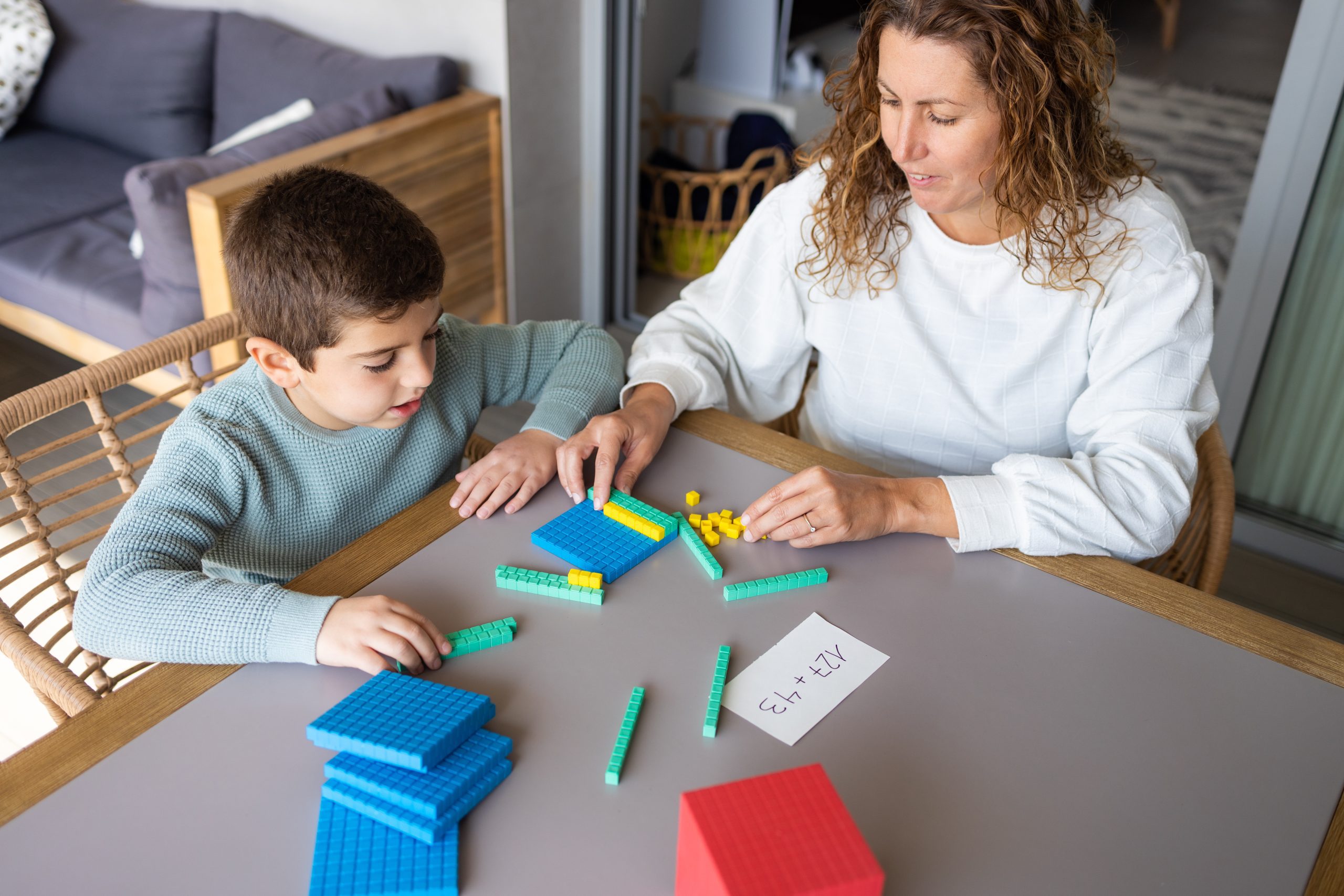

Our Comprehensive psychoeducational evaluations help you understand how your child learns, thinks, and processes information.
Our goal is to help you gain insight and confidence in how to best support your child.
Psychoeducational Evaluations
Psychoeducational evaluations are for school-aged children who might be struggling with learning, attention, or behavior in the classroom. A psychoeducational evaluation is a comprehensive assessment that helps us understand how your child learns, thinks, and processes information. These evaluations help schools create effective support plans, like an Individualized Education Program (IEP) or a 504 Plan. They also help parents who are seeking recommendations for their child in a private or independent school.
What We Assess & Identify
What We Assess
Intellectual and cognitive abilities
Academic skills (reading, writing, and math)
Attention and executive functioning
Emotional and behavioral functioning
When This May Be Helpful
Your child is struggling in school
There are concerns about learning differences or disabilities
Your child may need school-based supports or accommodations
You want a clearer understanding of your child’s learning profile
Your child needs an evaluation for a private or independent school
Our Approach
We understand that seeking an evaluation can feel overwhelming. At TMB Psych Services, we strive to make the process supportive, collaborative, and informative from start to finish.
Our assessments are:
Developmentally informed and evidence-based
Tailored to each child’s needs
Focused on practical, real-world recommendations
Conducted in a warm, child-friendly environment
What to Expect
We know that the evaluation process can feel overwhelming. We strive to make it as smooth and comfortable as possible for both you and your child.Initial Intake and Interview
We start by listening. During our first meeting, we will discuss your concerns, review your child's medical and developmental history, and look at any previous school records. This helps us tailor the evaluation to your child's specific needs.The Testing Sessions
Depending on the type of evaluation, testing takes place over several sessions. We use engaging, interactive activities, puzzles, and standardized tasks. For younger children, testing often looks a lot like play. We take plenty of breaks to ensure your child feels relaxed and comfortable.Gathering Additional Insights
We will reach out to other individuals who regularly interact with your child, such as teachers, caregivers, or therapists, to gather additional information. Their perspectives can provide valuable insights into your child's experiences and challenges in different settings, which helps create a more comprehensive understanding of their needs.Conducting School Observations
If appropriate, we may conduct an observation of your child in their school environment. This allows us to see how your child interacts with peers, responds to instruction, and navigates daily routines in a familiar setting. School observations provide critical context about your child's behavior, strengths, and challenges in an academic and social environment, further informing our understanding and recommendations.Scoring and Interpretation
After the testing sessions, our team carefully reviews and interprets the results. We analyze patterns, strengths, and areas of need to form a comprehensive understanding of your child's profile. This step ensures that our recommendations are tailored and actionable.Feedback Meeting
Once the evaluation is complete, we schedule a feedback meeting to discuss the findings with you. During this meeting, we explain the results in clear, understandable terms and provide strategies, resources, or interventions to help support your child. This is also an opportunity to ask any questions or share concerns.Comprehensive Report
You will receive a detailed report summarizing the evaluation process, results, and recommendations. This report can be shared with schools, therapists, or other relevant professionals to ensure consistent support for your child.Get Started
You do not have to navigate your child's educational journey alone. Contact us today to schedule an initial consultation and find out which evaluation is right for your child.Frequently Asked Questions